Smoking is often viewed as a simple habit, a personal choice. But beneath the surface of every cigarette is a complex chemical reaction that unleashes a torrent of toxins, spreading damage throughout the entire body. It’s a journey of destruction that starts with the very first puff and continues with every single one thereafter, impacting virtually every organ and system.
This isn’t about scare tactics; it’s about understanding the science. By knowing what’s happening inside your body, you can better appreciate the immense benefits of quitting and the powerful changes that begin the moment you decide to stop.
The Chemical Cocktail: A Journey of Poisons
When you light a cigarette, you’re not just inhaling tobacco. You’re taking in a toxic cocktail of over 7,000 chemicals, with at least 70 of them known to cause cancer. These include:
- Nicotine: The highly addictive substance that keeps you coming back for more. It acts on the brain, creating a temporary “feel-good” sensation, but also raises your heart rate and blood pressure.
- Tar: A sticky, brown residue that coats your lungs, teeth, and fingernails. It’s the main carrier of cancer-causing substances and is what makes a smoker’s cough so persistent.
- Carbon Monoxide: A poisonous gas that’s found in car exhaust. When inhaled, it binds to your red blood cells, displacing oxygen. This starves your organs and tissues of the vital oxygen they need to function.
- Metals & Radioactive Compounds: Cigarette smoke contains heavy metals like arsenic, lead, and cadmium, as well as radioactive compounds like polonium-210. These are all known to be carcinogenic.
These poisons don’t stay in your lungs. They travel through your bloodstream, reaching every corner of your body and causing damage on a cellular level.
The Lungs: The Direct Hit
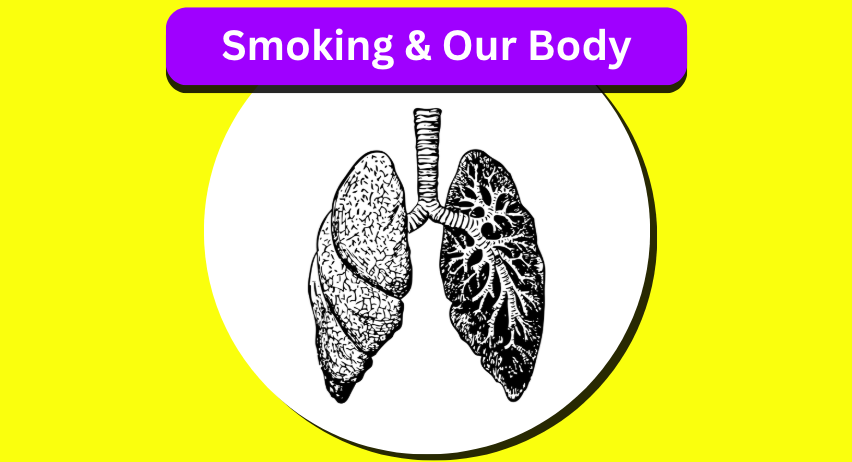
The lungs are the first and most obvious victim of smoking. The constant exposure to smoke causes irritation and inflammation of the airways. Over time, this can lead to:
- Chronic Obstructive Pulmonary Disease (COPD): This is a group of progressive lung diseases, including emphysema and chronic bronchitis. They make it increasingly difficult to breathe, leading to persistent coughing, wheezing, and shortness of breath.
- Lung Cancer: Smoking is, by far, the leading cause of lung cancer. The toxic chemicals in smoke damage the DNA of lung cells, causing them to grow abnormally and uncontrollably.
- Increased Infections: Smoking weakens your immune system, making you more susceptible to respiratory infections like pneumonia and influenza.
The Cardiovascular System: A Silent Killer
Smoking is a major risk factor for heart disease and stroke. The combination of carbon monoxide and other chemicals causes significant damage:
- Damaged Blood Vessels: Nicotine and other toxins damage the lining of your blood vessels, making them thicker and narrower. This process, known as atherosclerosis, leads to the buildup of fatty deposits (plaque) and reduces blood flow.
- Increased Blood Pressure & Heart Rate: The stress on your circulatory system forces your heart to work harder and faster.
- Blood Clot Formation: Smoking makes your blood “stickier,” increasing the risk of blood clots. If a clot blocks a blood vessel in your heart, it can cause a heart attack. If it blocks one in your brain, it can lead to a stroke.
- Peripheral Artery Disease (PAD): This condition, where blood flow to your limbs is restricted, can cause pain and, in severe cases, gangrene and amputation.
Beyond the Obvious: A Whole-Body Impact
The damage doesn’t stop at your lungs and heart. Smoking harms nearly every organ in your body in surprising ways:
- Brain: Smoking increases the risk of stroke by at least 50% and can lead to a brain aneurysm.
- Oral Health: It causes stained teeth, bad breath, and significantly increases the risk of gum disease, tooth loss, and oral cancers.
- Skin & Appearance: Smoking restricts blood flow to the skin, leading to premature ageing, wrinkles, and a sallow complexion.
- Reproductive System: For men, smoking can cause erectile dysfunction and damage sperm. For women, it can lead to reduced fertility, irregular periods, and an increased risk of miscarriage and birth complications.
- Bones: Nicotine interferes with your body’s ability to absorb calcium, making bones weaker and increasing the risk of osteoporosis and fractures.
- Immune System: A weakened immune system makes you more vulnerable to all kinds of illnesses, from the common cold to autoimmune diseases.
The Hopeful Truth: It’s Never Too Late to Quit
The good news is that your body has a remarkable ability to heal. The moment you quit smoking, the repair process begins.
- Within 20 minutes: Your heart rate and blood pressure drop.
- Within 12 hours: The carbon monoxide level in your blood returns to normal.
- Within a few weeks: Your circulation improves, and your lung function begins to increase.
- Within a year: Your risk of heart disease is halved.
- Within 10 years: Your risk of dying from lung cancer is about half that of a smoker.
Quitting smoking is the single best thing you can do for your health. It not only reduces your risk of countless diseases but also improves your overall quality of life, giving you more energy, better breathing, and a brighter future.
More Posts
Smoking & Social Events
Ready to Quit Smoking?
Smoking & Our Love Life

Smoking & Our Finances
Smoking & Our Body