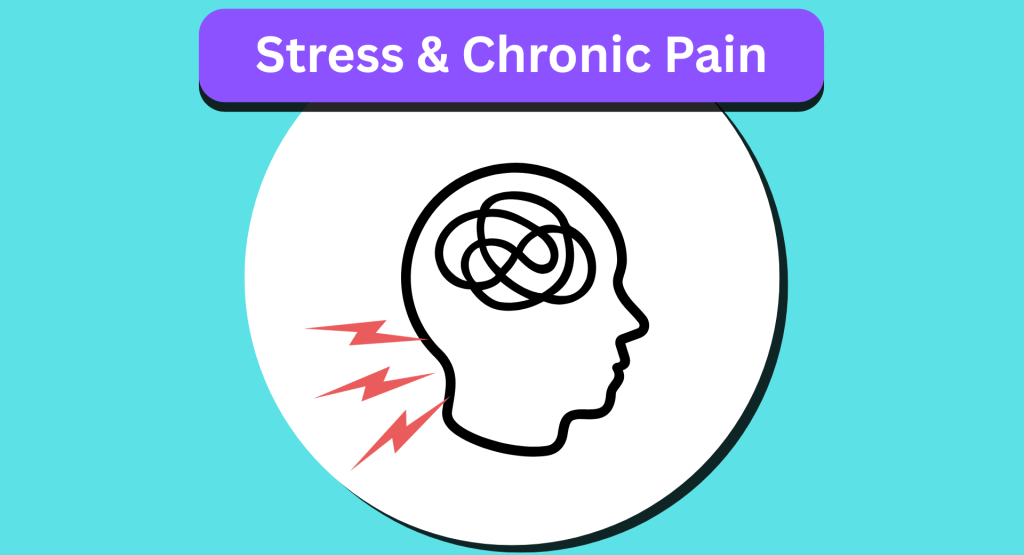
Pain is something everyone experiences at some point in life. Whether it’s a stubbed toe, a sprained ankle, or a headache, pain usually acts as the body’s alarm system—alerting us that something is wrong and needs attention.
 In most cases, pain fades as the body heals. But for millions of people worldwide, the pain doesn’t go away. It lingers for months, years, or even a lifetime. This is known as chronic pain.
Chronic pain is not just “long-lasting pain.” It’s a complex condition that affects the body, mind, and daily life in profound ways. Let’s explore what chronic pain really is, how it’s different from acute pain, and why it deserves recognition as more than just a symptom.
1. The Definition of Chronic Pain
Doctors typically define chronic pain as pain that lasts longer than three months, or beyond the normal healing time of an injury. Unlike acute pain—which is short-term and usually tied to a specific injury or illness—chronic pain continues even after tissues should have healed.
Chronic pain can:
- Come and go (intermittent) or remain constant.
- Range from mild discomfort to severe, debilitating pain.
- Affect one specific area (like back pain) or be widespread (like fibromyalgia).
It is both a medical condition in itself and a symptom of many underlying health problems.
2. Acute Pain vs. Chronic Pain
To understand chronic pain, it helps to compare it with acute pain:
- Acute pain is the body’s alarm system. It signals an injury or illness, like a broken bone or infection, and usually improves with healing.
- Chronic pain is the alarm system stuck in the “on” position. The pain persists even after the body has healed, or it may appear without a clear injury.
This makes chronic pain not just a symptom but a condition of its own—one where the nervous system becomes overly sensitive or misfires signals.
3. Common Causes of Chronic Pain
Chronic pain has many potential causes, and sometimes no clear cause can be identified. Some common ones include:
- Injuries that never fully heal (like back or joint injuries).
- Medical conditions such as arthritis, diabetes (nerve pain), multiple sclerosis, or endometriosis.
- Nerve damage that continues to send pain signals long after the original injury.
- Inflammatory disorders like rheumatoid arthritis or inflammatory bowel disease.
- Fibromyalgia and central sensitisation, where the nervous system itself becomes hypersensitive.
For some people, chronic pain develops without an obvious injury or illness, making it especially difficult to treat.
4. How Chronic Pain Affects the Body and Mind
Chronic pain is more than a lingering ache—it reshapes the way the body and brain function.
- Nervous system rewiring: Over time, nerves and brain pathways may “learn” pain, becoming hypersensitive. This is called central sensitisation.
- Muscle tension and fatigue: Living with pain often causes the body to tense up, which can worsen discomfort.
- Mental health struggles: Pain is linked to higher rates of depression, anxiety, and sleep problems.
- Reduced quality of life: Work, hobbies, relationships, and everyday activities may all be disrupted.
In this way, chronic pain doesn’t just affect one part of life—it ripples through every aspect of daily living.
5. Myths and Misunderstandings About Chronic Pain
Because chronic pain is often invisible, many people struggle with stigma or disbelief. Common myths include:
- “It’s all in your head.” While pain is processed in the brain, chronic pain is a very real, physical condition.
- “You don’t look sick.” Chronic pain doesn’t always show outward signs, but the suffering is real.
- “If doctors can’t find a cause, it must not exist.” Many chronic pain conditions are not easily detectable with scans or tests, but that doesn’t mean they aren’t legitimate.
Breaking these misconceptions is essential to creating more compassion for people living with pain.
6, Managing Chronic Pain
There is no one-size-fits-all cure for chronic pain, but there are strategies that can help manage it:
- Medical treatments: Medications, nerve blocks, and certain procedures may help.
- Physical therapies: Exercise, stretching, and physical therapy can improve function and reduce pain over time.
- Mind-body approaches: Meditation, breathing exercises, and cognitive-behavioural therapy can change how the brain processes pain signals.
- Lifestyle adjustments: Adequate sleep, a balanced diet, and stress management all play a role in pain regulation.
- Support systems: Counselling, support groups, and patient advocacy communities can reduce isolation and improve coping.
Effective pain management usually involves a combination of approaches, tailored to every individual.
7. Why Chronic Pain Deserves Recognition
Chronic pain is one of the most common health conditions worldwide, affecting an estimated 1 in 5 adults. Despite this, it’s often overlooked, misunderstood, or minimised. Recognising chronic pain as a serious medical condition is critical, not only for better treatment but also for reducing stigma and improving quality of life for those affected.
Final Thoughts
Chronic pain is more than just lingering discomfort—it’s a complex condition that reshapes the body, mind, and daily life. It can be rooted in injury, illness, or nervous system dysfunction, but regardless of its cause, the impact is profound.
Understanding what chronic pain is helps us shift the conversation from disbelief to compassion, from dismissal to support. For those living with it, validation is as important as treatment. And for society as a whole, recognising the reality of chronic pain is the first step toward creating a world where those who live with it feel seen, supported, and empowered.
More Posts
How Short Breaks Break the Stress Cycle of Pain
Stress and Remote Working