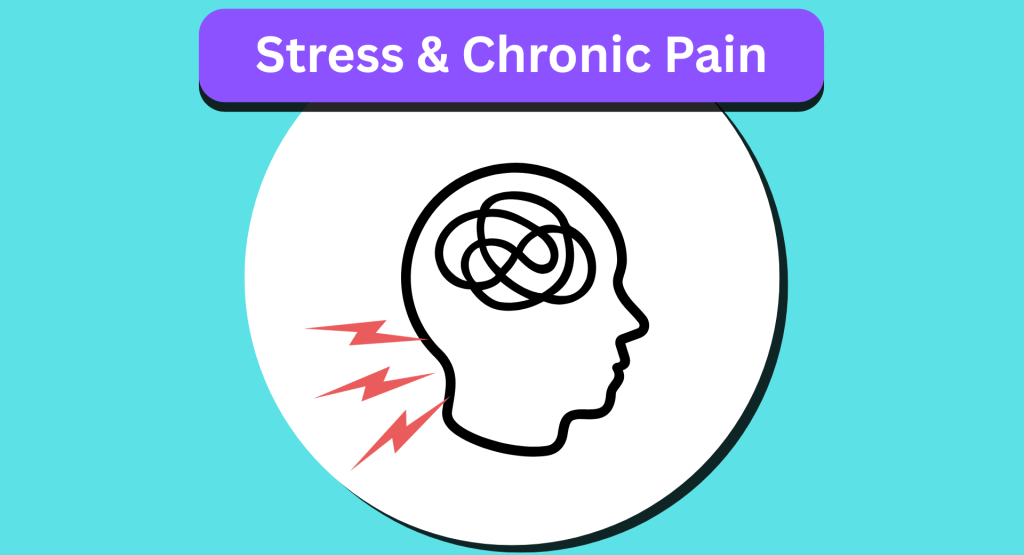
Living with chronic pain often feels like being trapped in a cycle that never quite ends where pain dictates your schedule, mood, and even how you experience rest.
 While daily management strategies like medication, mindfulness, and pacing are essential, there’s something uniquely powerful about taking a weekend break.
Short getaways whether to the countryside, the coast, or even a nearby town, can offer more than just a change of scenery. They can provide your body and mind with the reset they desperately need.
Here’s how weekend breaks can help you relax, recharge, and find relief when you’re living with chronic pain.
The Mind-Body Connection: Why Environment Matters
Our surroundings profoundly influence how we feel physically and emotionally. When you’re managing chronic pain, your brain can become hyper-focused on discomfort, a process known as pain sensitisation. Over time, this can heighten your perception of pain and increase stress levels.
Changing your environment, even for a short time, can help disrupt that pain-stress feedback loop. A new setting provides fresh sensory input, new smells, sounds, and sights, which gives your nervous system something else to focus on.
For example:
- The sound of waves or rustling leaves can lower cortisol (the stress hormone).
- Exposure to natural light helps regulate sleep and mood.
- Gentle movement during travel can improve circulation and reduce muscle stiffness.
Even a brief change in surroundings reminds your body that life is more than pain, it’s also about connection, exploration, and rest.
The Stress-Pain Cycle: Why Rest Isn’t Just Rest
One of the biggest challenges people with chronic pain face is the stress-pain cycle:
- Pain increases stress.
- Stress increases inflammation and muscle tension.
- More tension leads to more pain.
Breaking that cycle requires more than lying on the couch, it requires deep relaxation and mental separation from daily stressors. Weekend breaks offer that opportunity.
When you step away from your usual environment even for 48 hours you also step away from the responsibilities, triggers, and habits that feed your stress response. The simple act of changing your context can lower anxiety and help your nervous system shift from “fight or flight” to “rest and digest.”
The Power of Nature and Movement
Many weekend escapes naturally involve spending time outdoors, whether it’s walking in a park, exploring a new town, or sitting near water. Research shows that time in nature reduces stress, lowers blood pressure, and boosts mood by increasing levels of serotonin and endorphins, your body’s natural pain relievers.
Even light physical activity, like gentle walking or stretching, improves circulation, releases tension, and encourages joint mobility. For those with chronic pain, movement done mindfully and within your limits can help reduce stiffness and improve energy levels.
Think of it as active rest: not pushing your body, but inviting it to move in new, nourishing ways.
Escaping Routine: Why Novelty Helps the Brain Relax
Routines are helpful for managing chronic pain they create predictability and structure. But too much routine can also trap the brain in patterns of pain awareness. When every day feels the same, it becomes harder for the mind to shift focus away from discomfort.
Novel experiences like staying somewhere new, tasting different foods, or meeting new people, stimulate the brain’s reward system, releasing dopamine, which can reduce the perception of pain and increase feelings of pleasure and relaxation.
Even small moments of novelty like reading by a lake, trying a new café, or taking a scenic drive can give your mind a break from pain-cantered thinking.
Emotional Relief and Connection
Chronic pain can often feel isolating. It’s easy to withdraw when every social activity feels like a physical challenge. Weekend breaks can help rebuild emotional connection, with loved ones, friends, or even with yourself.
Spending quality time away from the usual distractions can:
- Strengthen relationships and create shared joy.
- Provide emotional validation and support.
- Remind you that you’re more than your pain.
Connection releases oxytocin, another hormone known for lowering stress and promoting calm. Sometimes, just laughing, talking, or resting beside someone who understands can ease the emotional weight of pain.
Making Weekend Breaks Work for You
Of course, travel and chronic pain don’t always mix easily. The key is to plan breaks that align with your body’s needs, not against them.
Here are a few tips:
- Keep travel time short: Choose destinations within 1–2 hours of home.
- Prioritise comfort: Bring supportive pillows, medications, and mobility aids.
- Build in rest periods: Schedule naps, gentle mornings, and downtime.
- Choose accessible destinations: Look for accommodations with easy access, step-free rooms, and nearby amenities.
- Set realistic expectations: A weekend away isn’t about doing everything, it’s about doing less, differently.
Even a “staycation” where you explore local parks, book a massage, or simply unplug from screens, can have similar benefits if travel isn’t feasible.
The Mental Reset: Why Short Escapes Matter
Weekend breaks don’t just offer temporary relief; they can also retrain the brain. Each time you experience peace, pleasure, or comfort, your nervous system learns that safety and calm are possible.
This is crucial for chronic pain management because the brain can, over time, become wired to expect pain. Positive, relaxing experiences help “rewire” that expectation, teaching your body to relax and your mind to associate rest with safety rather than tension.
Final Thoughts
When you live with chronic pain, relaxation isn’t a luxury, it’s a form of medicine. Weekend breaks, however short or simple, can help you find that elusive sense of calm by resetting your body, soothing your mind, and reminding you that rest and pleasure are still possible.
You don’t need to travel far or spend much, what matters is giving yourself permission to step away, breathe deeply, and reconnect with life beyond pain.
More Posts
How Short Breaks Break the Stress Cycle of Pain
Stress and Remote Working