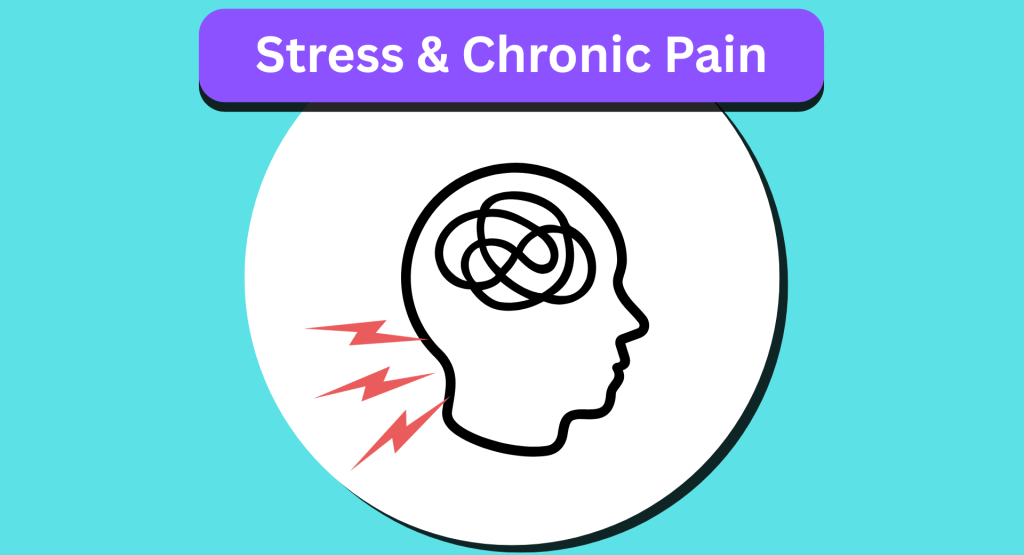
Chronic pain affects millions of people worldwide, from back pain and migraines to fibromyalgia and arthritis.
While most people associate pain with physical injury or illness, science has shown that psychological factors like stress play a powerful role in amplifying or even maintaining chronic pain.
Understanding how stress and pain interact can be the key to breaking the cycle and reclaiming a sense of control over your body.
The Stress-Pain Connection: What’s Really Going On?
When you experience stress, whether it’s a looming deadline, relationship tension, or financial worry. your body activates its “fight-or-flight” response. This is an evolutionary survival mechanism designed to protect you from danger.
Your adrenal glands release stress hormones like cortisol and adrenaline, which trigger several changes:
- Increased heart rate and blood pressure
- Tensed muscles
- Heightened alertness
- Reduced digestion and immune activity
In short bursts, this response can be helpful. But when stress becomes chronic, the constant flow of stress hormones keeps your body in a state of high alert and that’s when problems begin.
Muscle Tension and Pain Amplification
When you’re stressed, your muscles naturally tighten. Prolonged tension in muscles, especially around the neck, shoulders, and back can lead to stiffness, headaches, and pain sensitivity. Over time, these muscle contractions restrict blood flow and contribute to inflammation, making pain worse.
The Role of the Nervous System
Chronic stress also changes the way your central nervous system processes pain. It lowers your pain threshold, making your body more reactive to discomfort. Essentially, your brain becomes “wired” to expect pain a phenomenon known as central sensitisation.
In people with conditions like fibromyalgia or chronic migraines, this heightened sensitivity means even mild sensations can feel intensely painful.
Inflammation: The Hidden Culprit
Stress doesn’t just affect your mind — it also influences your immune system. Chronic stress promotes the release of pro-inflammatory cytokines, chemicals that increase inflammation throughout the body. This inflammation is linked to many pain-related conditions, from arthritis to irritable bowel syndrome (IBS).
How Emotional Stress Becomes Physical Pain
The connection between emotional distress and physical pain isn’t just metaphorical — it’s biological. The brain regions responsible for processing emotions, such as the amygdala and prefrontal cortex, overlap with those that process pain signals.
When emotional stress persists, these overlapping networks can create a feedback loop where:
- Emotional pain activates physical pain centres.
- Physical pain increases emotional distress.
- The cycle continues.
This is why people experiencing chronic pain often report higher levels of anxiety, depression, and sleep disturbances — all of which further exacerbate pain perception.
Breaking the Cycle: Managing Stress to Reduce Pain
While chronic pain can feel like a lifelong sentence, there’s growing evidence that managing stress effectively can significantly reduce pain intensity and improve quality of life.
1. Mindfulness and Meditation
Mindfulness-based stress reduction (MBSR) has been extensively studied and shown to reduce both perceived stress and chronic pain. Mindfulness teaches you to observe your thoughts and sensations without judgment, helping to calm an overactive nervous system.
2. Deep Breathing and Relaxation
Simple breathing exercises can help lower cortisol levels and relax tense muscles. Practices like diaphragmatic breathing, progressive muscle relaxation, or yoga can shift your body from “fight-or-flight” into “rest-and-digest.”
3. Cognitive Behavioural Therapy (CBT)
CBT helps reframe negative thought patterns that contribute to stress and pain perception. Research shows that CBT can reduce pain intensity and improve coping skills by changing how the brain interprets pain signals.
4. Physical Activity
Although it might seem counterintuitive, gentle movement such as walking, swimming, or stretching can reduce stress hormones and improve circulation — both crucial for pain relief. Exercise also releases endorphins, the body’s natural painkillers.
5. Social Support and Connection
Isolation amplifies stress, while social connection can buffer it. Whether through support groups, therapy, or spending time with loved ones, human connection helps regulate the stress response and promotes healing.
When to Seek Professional Help
If stress or chronic pain is disrupting your daily life, it’s important to seek help from a healthcare provider. A multidisciplinary approach — combining medical treatment with psychological support — is often the most effective way to manage pain.
Pain specialists, physical therapists, psychologists, and mindfulness coaches can work together to help you develop personalised strategies for managing both stress and pain.
Final Thoughts
Stress and chronic pain are deeply intertwined, forming a cycle that can be difficult to break — but not impossible. By understanding how stress affects your body and learning to calm your nervous system, you can begin to reduce pain naturally and improve overall well-being.
Managing stress isn’t just about feeling better mentally — it’s a crucial step toward physical healing.
More Posts
How Short Breaks Break the Stress Cycle of Pain
Stress and Remote Working